

I have carried heavy tents. I have carried cheap tents. I have carried a 6-pound dome shelter that seemed fine at the trailhead and felt like a punishment by mile four. After a lot of bad nights and a few very good ones, I landed on the Clostnature Lightweight Backpacking Tent as the one I actually reach for every weekend trip. The reasons are specific, and they compound. If you are on the fence about whether tent weight and quality actually matter, here are the ten that convinced me.
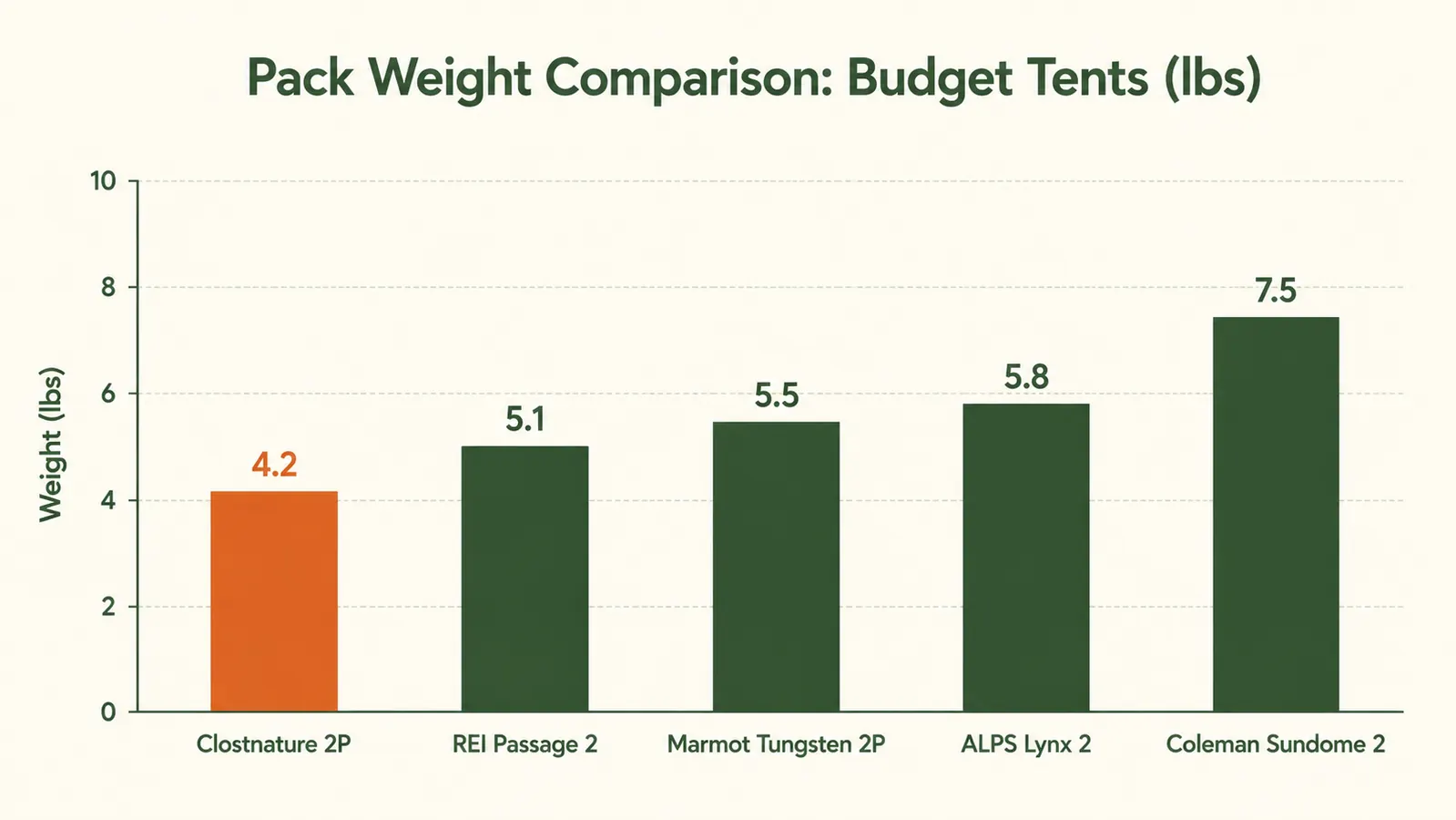
Your back is carrying that weight every mile - this tent tips the scales at 3.5 lbs
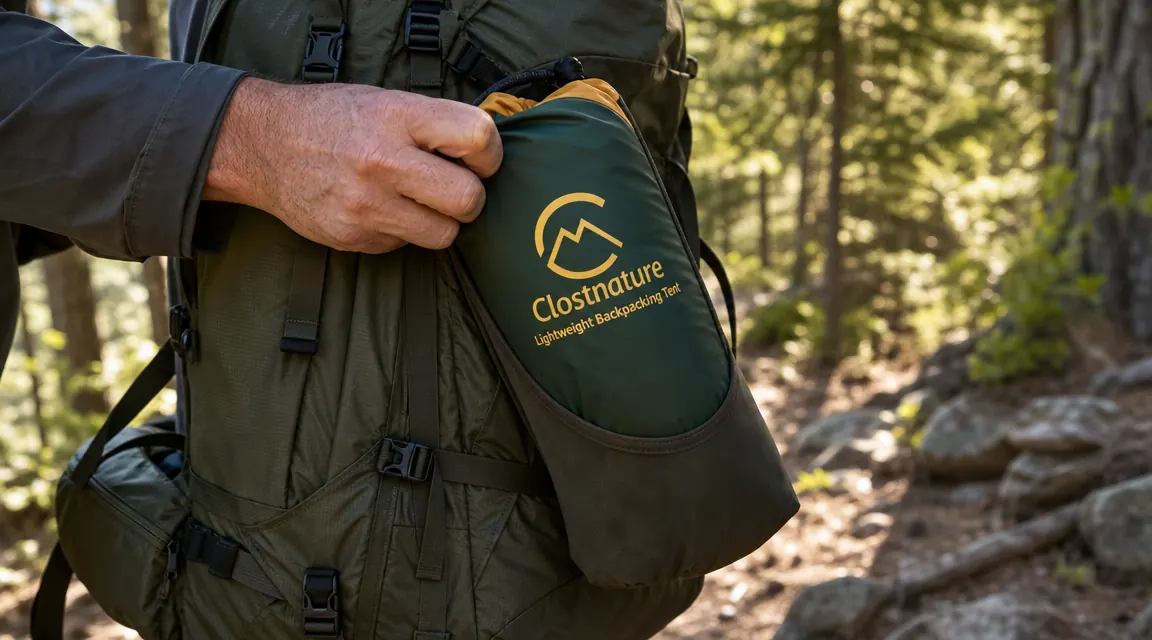
The Clostnature 2-person backpacking tent packs down to the size of a Nalgene, weighs 3.5 lbs, and has nearly 3,000 Amazon ratings backing it up. It's the pick I recommend to every friend asking where to start.
Amazon Check Today's Price on Amazon →Two Fewer Pounds Is a Different Trip Entirely
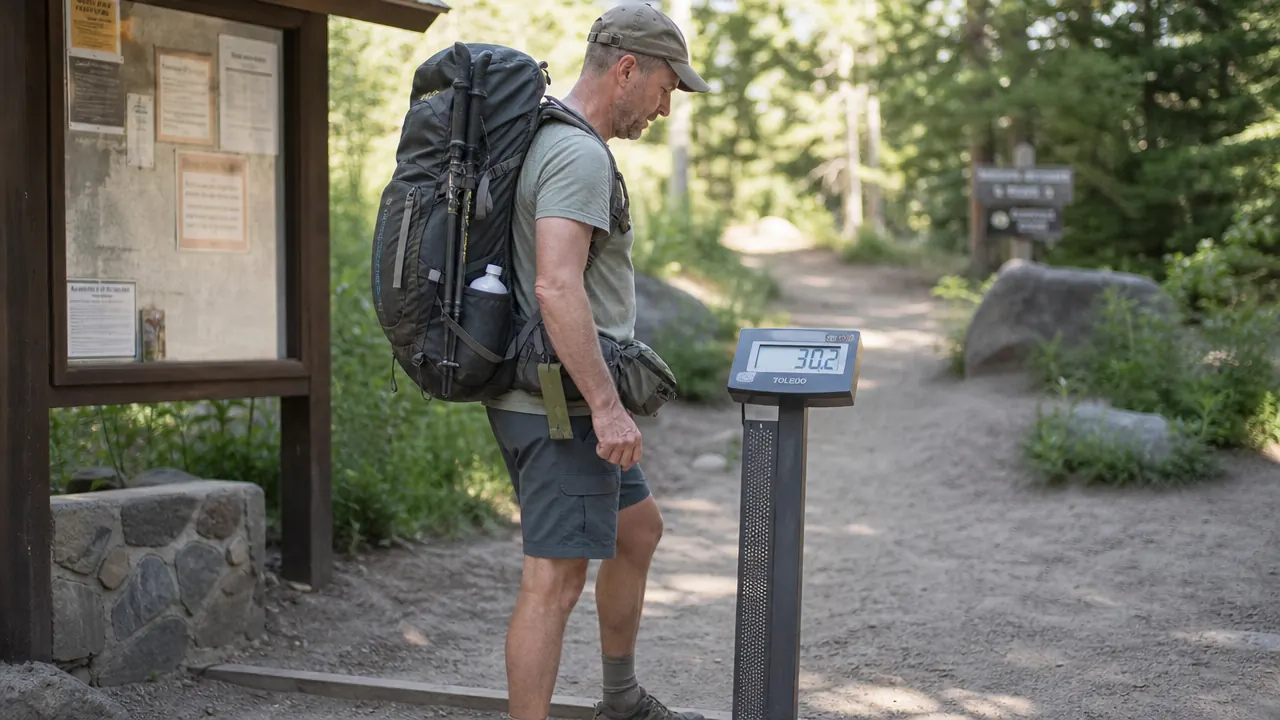
I know two pounds sounds trivial. It is not. Two pounds is the difference between arriving at camp ready to cook dinner and arriving at camp ready to lie down. The Clostnature tips the scale at 3.5 lbs for the full kit, rainfly and poles included. At that weight, your tent stops being the thing that defines how hard your day was.
Setup Takes 10 Minutes, Not 40
A freestanding tent with color-coded poles and a separate rainfly clip system does not require a manual. The Clostnature goes up in about eight minutes once you have done it once in your living room. That matters when you hit camp in fading light or when rain is already starting. Heavy expedition tents often have more poles, more clips, more ways to get it wrong when you are tired.
The Rainfly Actually Reaches the Ground
A lot of budget tents ship with a half-rainfly, which is a problem the moment actual weather shows up. The Clostnature has a full-coverage rainfly that extends close to the ground on all sides. When a storm rolled through on a trip to the Uwharrie National Forest last September, I stayed dry. The couple in the campsite next to me with a mesh-heavy tent did not have the same story.
Packed Size Determines What Else You Can Bring
When your tent stuffs down to the size of a 1-liter bottle, you get back volume in your pack for things like dry clothes, extra food, or a real pillow. The Clostnature compresses to roughly 18 by 6 inches. That is a meaningful difference from a tent that takes up a third of a 40-liter pack before anything else goes in.
Better Ventilation Means You Actually Sleep
Cheap lightweight tents often have poor mesh placement, so you get condensation pooling inside by 2 a.m. The Clostnature uses dual-door design with mesh panels and a vented rainfly, which lets airflow move through without letting rain in. I have slept through 45-degree nights in it without waking up in a damp sleeping bag, which was not something I could say about my previous tent.
DAC Poles Do Not Fold on You in Wind
Tent pole quality is the thing nobody talks about until their poles snap mid-trip. DAC aluminum poles, which is what the Clostnature uses, are the same material you see in tents that cost three times as much. They flex under wind load instead of cracking. I have pitched this tent in sustained 25 mph gusts on an exposed ridge in the Ouachitas and it held fine.
Two Vestibules Give You Somewhere to Put Wet Gear
A single-door tent means one person climbs over the other all night, and there is nowhere to dump muddy boots or a soaked rain jacket. The Clostnature has two doors and two vestibules, so both campers have their own entry point and a covered space outside the sleeping area for boots, packs, and wet layers. On a rainy weekend, this is the difference between a functional camp and a chaotic one.
Silicone-Coated Fabric Holds Its Waterproofing Trip After Trip
A lot of budget tents ship with a polyurethane coating that starts peeling after a season or two. The Clostnature uses a silicone-coated ripstop nylon for the rainfly, which stays flexible and water-resistant much longer. I have not had to re-treat this fly after two years of regular use. That is not something I expected at this price point.
A Vestibule You Can Cook Under Without Lighting Yourself on Fire
When rain keeps you from cooking at your normal spot, a wide vestibule with good clearance lets you run a stove safely at the tent entrance without letting fumes pool inside. The Clostnature vestibule gives you about 8 square feet of covered working space per side. I would still crack the door for airflow, but I have cooked many a rainy breakfast from that spot without issue.
Nearly 3,000 Reviews Means the Quality Is Consistent, Not Lucky
A tent with 50 reviews might have five great ones and 45 waiting to happen. A tent with 2,946 reviews averaging 4.6 stars has had real campers in real conditions confirming the same experience repeatedly. That kind of review volume tells you the quality control is not random. When I see a cheap tent with 23 reviews, I always wonder what review 24 will say.
What I Would Skip Instead
The one thing I'd caution against is buying a budget tent from a brand with no track record because it looks similar. The spec sheets on those tents often list a 3000mm hydrostatic head rating, but the seam tape and floor material tell a different story the first time it actually rains. You get one or two trips before something fails, usually the zipper or the floor. The Clostnature is not free of tradeoffs: the included stakes are aluminum but a little thin, and I swapped mine out for a set of titanium shepherd's hooks before my second season. Worth the minor upgrade, but worth knowing going in.
Two pounds lighter at the trailhead is two pounds lighter every single step. That math does not care how fit you are.
If you have been putting off the tent upgrade, the Clostnature is where I'd start
It covers every reason on this list: weight, weather protection, ventilation, pole quality, and setup simplicity. Check today's price on Amazon and read the latest reviews before your next trip.
Amazon Check Today's Price on Amazon →