
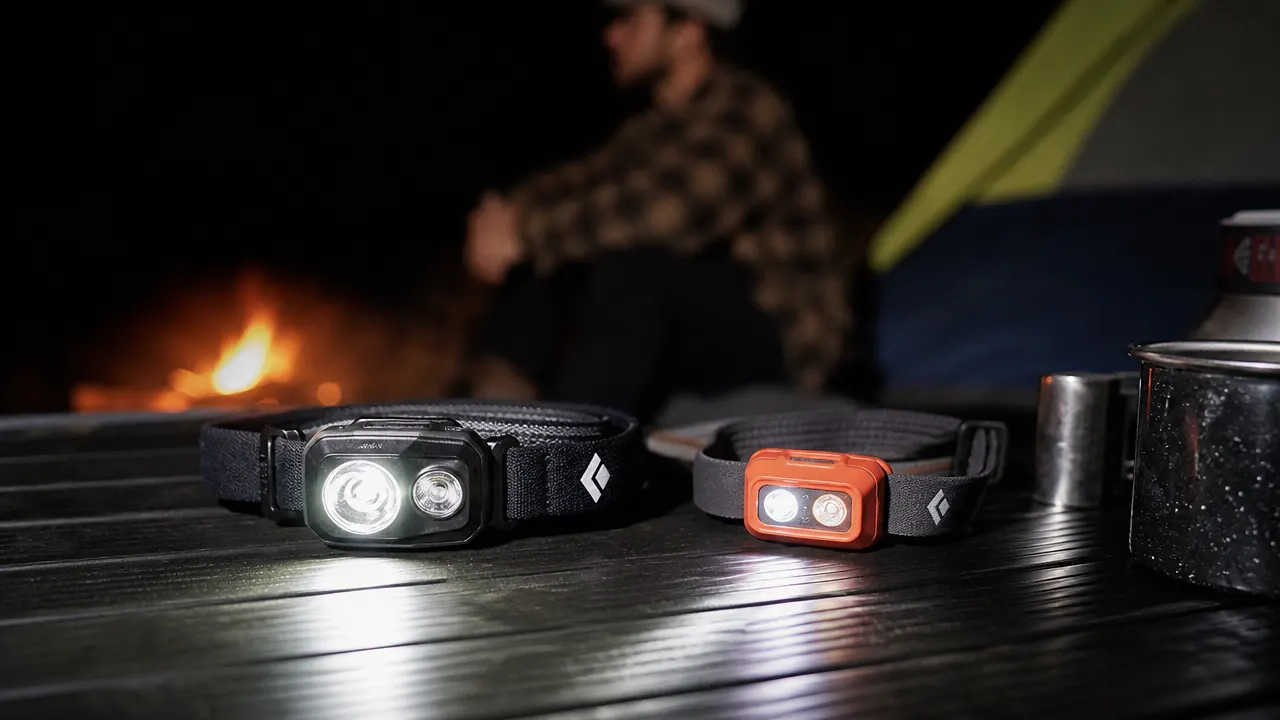
If you are shopping for a new camping headlamp, you will run into the Black Diamond Spot 400 and the Petzl Tikkina on almost every gear list. Both come from brands with serious credibility. Both sit in a price range where you can actually buy them without losing sleep. But they are not the same headlamp, and picking the wrong one for how you actually camp matters more than most people realize. I have used both on overnight trips, weekend backpacking loops, and late-night campsite setups with kids underfoot. Here is what I found.
The short answer: if you do more than occasional front-country camping and you want a headlamp that will carry you through multi-day trips without battery anxiety, the Black Diamond Spot 400 is the clear winner. The Petzl Tikkina is a solid entry-level light that makes sense for specific situations. The sections below will tell you exactly which situation that is.
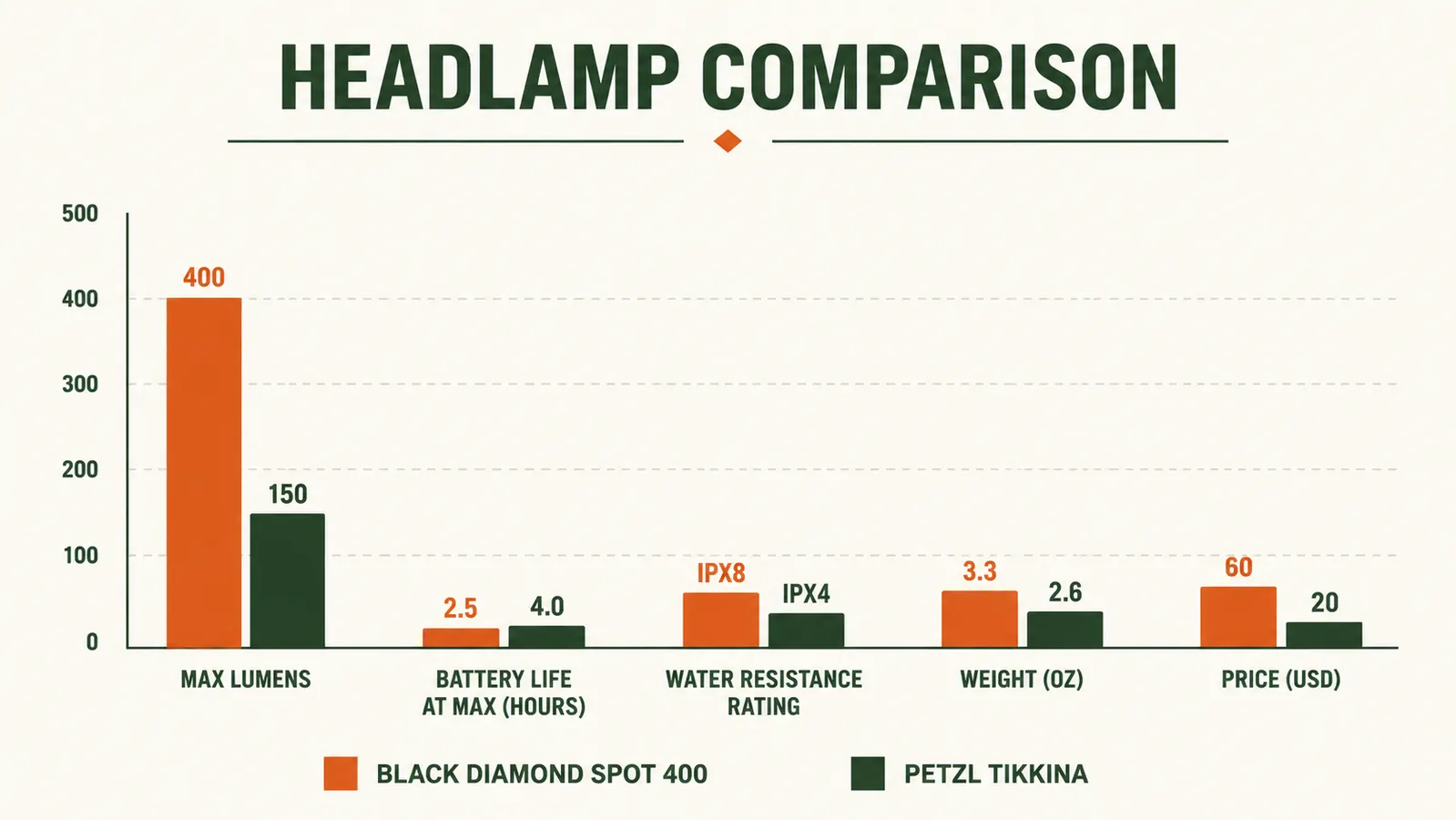
| Black Diamond Spot 400 | Petzl Tikkina | |
|---|---|---|
| Max Lumens | 400 lm | 300 lm |
| Beam Distance | 100 meters | 60 meters |
| Water Resistance | IPX8 (1 m / 30 min) | IPX4 (splash proof only) |
| Battery Type | 3x AAA or rechargeable via USB-C | 3x AAA (no USB charging) |
| Weight | 91 g with batteries | 79 g with batteries |
| Beam Modes | Proximity, distance, strobe, red night-vision, dimming | Proximity, distance, strobe |
| Lock-Out Feature | Yes (prevents accidental activation in pack) | No |
| Burn Time (max lm) | 2 hours at full 400 lm | 3 hours at full 300 lm |
| Current Price | Check today's price on Amazon | Check today's price on Amazon |
Where the Black Diamond Spot 400 Wins
The most important gap between these two lights is waterproofing. The Spot 400 carries an IPX8 rating, meaning it can sit submerged in a meter of water for thirty minutes. The Tikkina is IPX4, which means splash-resistant. That distinction matters the moment you are setting up a rain fly at 11 p.m. in a steady drizzle, or you drop your headlamp into a puddle while crossing a stream. On three separate trips, I have had my headlamp knocked off my head in the rain. The Spot 400 survived all three without complaint. That is the kind of durable reliability that you genuinely appreciate the first time conditions turn ugly.
The 400-lumen ceiling combined with a 100-meter beam distance also gives the Spot 400 a meaningful edge for trail navigation after dark. The Tikkina at 300 lumens throws a 60-meter beam, which is workable around a campsite but starts to feel limiting the moment you need to spot a cairn down a switchback or check whether that noise in the trees is a deer or something you should care about. The Spot 400's distance mode puts a tight, far-reaching beam at your command, and the dimming wheel lets you dial back to a campsite-friendly glow without cycling through multiple button presses. The red night-vision mode is genuinely useful for reading maps and navigating tent interiors without killing your dark adaptation or waking your tent partner.
The lock-out function is one of those features you do not appreciate until you need it. Pull the Spot 400 out of your pack pocket at the trailhead and it is exactly as charged as when you put it in. The Tikkina has no lock-out, which means if anything presses against that button in your pack, you could arrive at camp with a dead headlamp. That has happened to me once with a Tikkina in a stuff pocket. It did not happen twice.
The headlamp that handles rain, distance, and dead-battery prevention all at once.
The Black Diamond Spot 400 is the headlamp most active campers should grab and forget about. IPX8 waterproofing, USB-C recharging, 400 lumens, and a lock-out that stops pack drain. Check today's price on Amazon.
Amazon Check Today's Price on Amazon →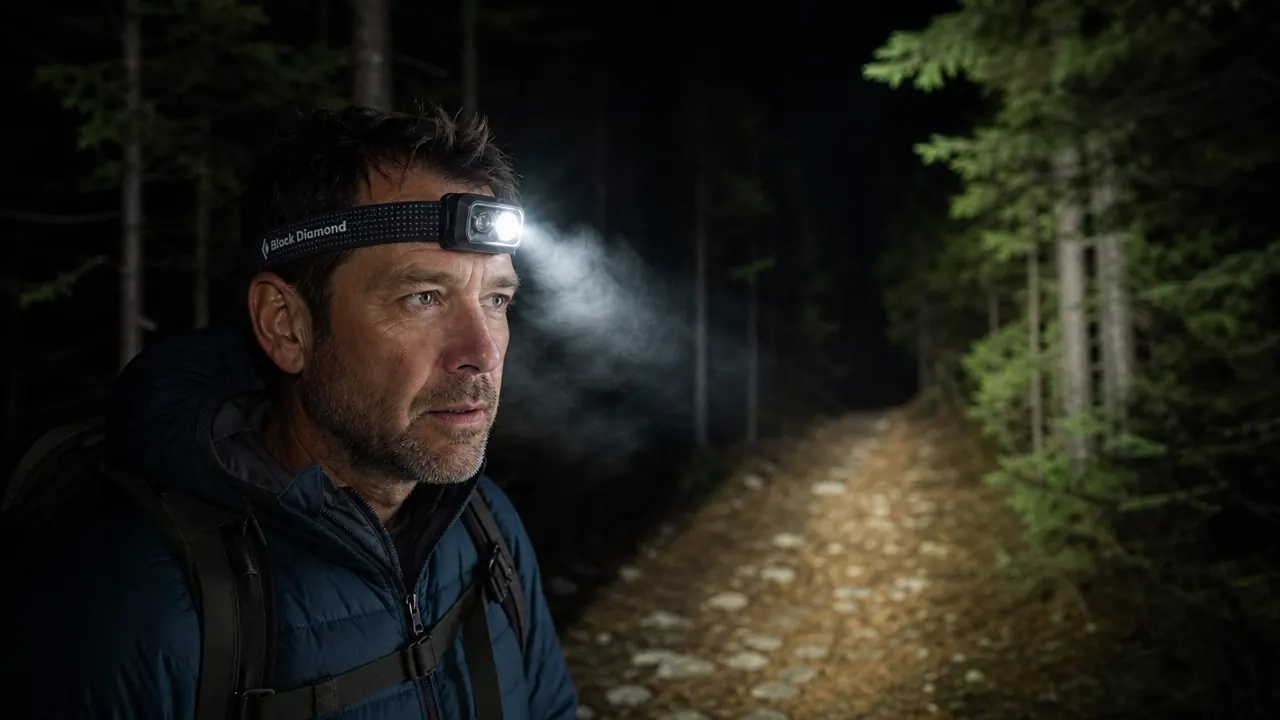
Where the Petzl Tikkina Wins
The Tikkina is lighter by about 12 grams with batteries loaded, and its price point is considerably lower than the Spot 400. For car campers who set up at an established site, sleep in a cabin tent, and mostly use a headlamp to find the bathroom or dig through a cooler, that is a legitimate argument. If you lose gear regularly, lend gear to kids or guests who abuse it, or just need a backup light to stuff in the bottom of a bag, the Tikkina makes sense financially. Petzl's build quality is solid for what it is, and the ergonomics are comfortable on most head sizes.
The Tikkina also has a slightly longer burn time at max output, which can matter in a car-camping scenario where you rarely recharge and you are running from a stock of AAA batteries. If your camping style runs toward 'charge everything at home before the trip and don't recharge in the field,' the Tikkina's efficient output can stretch a set of batteries a bit further. That said, the Spot 400 also runs on AAA in the field when USB is not an option, so it is not as though the Spot leaves you helpless without a power bank.
The first night I used the Spot 400 on a rainy trail, I caught myself not thinking about my headlamp at all. That is exactly what good gear is supposed to do.
The Battery Situation: USB-C vs Triple-A Only
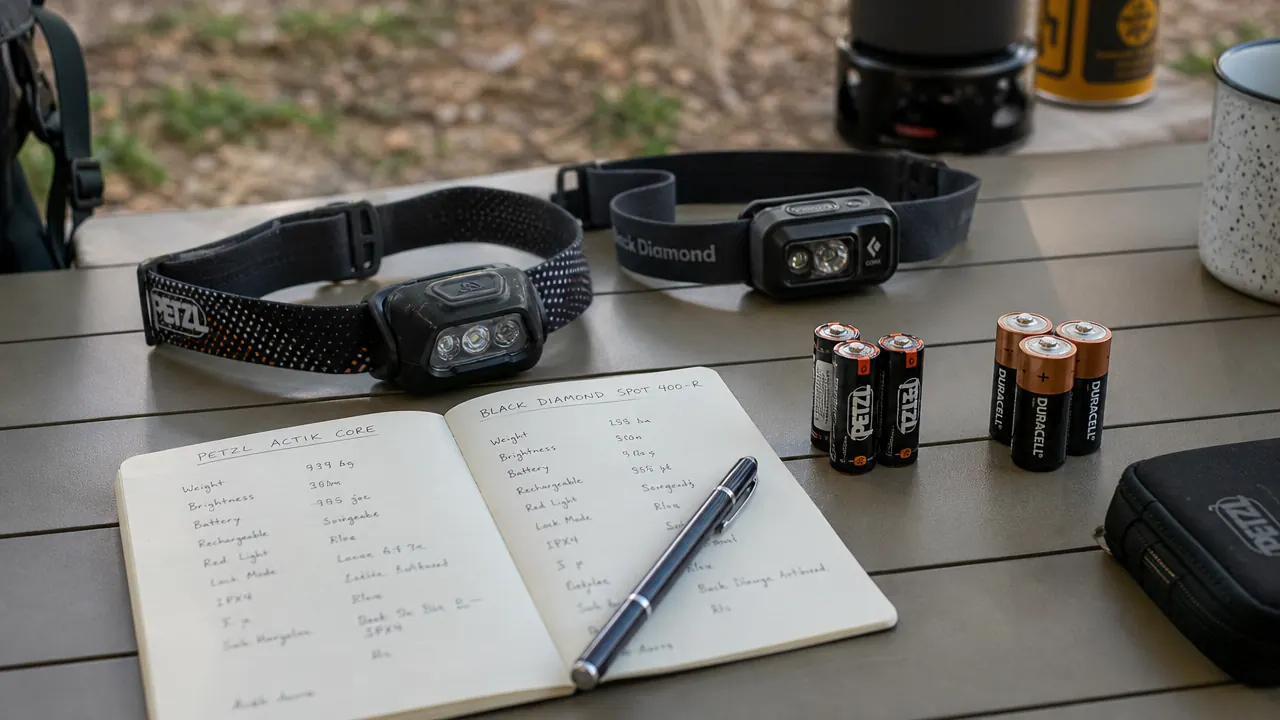
This is the practical difference most campers feel first. The Spot 400 accepts USB-C charging via a port under a rubber cover on the housing, which means you can top it off from a power bank during a multi-day trip without carrying extra batteries. In cold weather, USB charging is slower, but it works. For weekend backpackers running 2-3 nights, this changes the math considerably. The Tikkina has no USB charging at all. You are committed to carrying spare AAA batteries, which adds weight and cost over a season of trips. Neither approach is strictly wrong, but the Spot 400's dual option gives you more flexibility without any real trade-off other than the upfront cost.
One practical note on the Spot 400's USB port: the rubber cover can work loose over time, especially after heavy use. I reinforce mine with a small piece of gear tape in wet conditions. It is a minor annoyance on an otherwise well-built light, and worth mentioning honestly. If you notice the cover getting loose, a strip of tape across the port before a rainy trip is all it takes.
Who Should Buy Which
Buy the Black Diamond Spot 400 if you backpack overnight, camp in variable weather, hike to trailheads after sunset, or simply want one reliable headlamp that handles every situation without having to think about it. It is the better choice for the vast majority of active campers, and the gap in capability between these two lights is large enough that the price difference is easy to justify. At its current price, the Spot 400 is the kind of gear purchase you make once and stop worrying about.
Choose the Petzl Tikkina if your camping is limited to established front-country sites with power nearby, you need an inexpensive spare or a guest light, your children need their own headlamp and you do not want to hand them a premium light, or your budget genuinely cannot stretch right now. It is a decent headlamp in calm, dry conditions. Just know what you are trading away.
What I Would Tell a Friend at the Trailhead Parking Lot
Honestly? If you are asking because you are packing for a real trip this weekend, buy the Spot 400 and be done with it. The Tikkina will leave you wishing you had more throw the first time you walk a dark trail, and it will leave you wishing you had better waterproofing the first time it rains. Those are not hypothetical scenarios on camping trips. They are Tuesday evenings in the mountains. The Spot 400 costs more and is worth every bit of that difference when you are actually using it in the field. You can read more depth in my full year-long review of the Spot 400 if you want even more detail before you decide.
Stop wishing your headlamp was brighter, drier, or smarter.
The Black Diamond Spot 400 solves the three things budget headlamps get wrong: waterproofing, beam distance, and accidental battery drain. See today's price on Amazon before your next trip.
Amazon Check Today's Price on Amazon →